Why domain verification should never be a one-time check
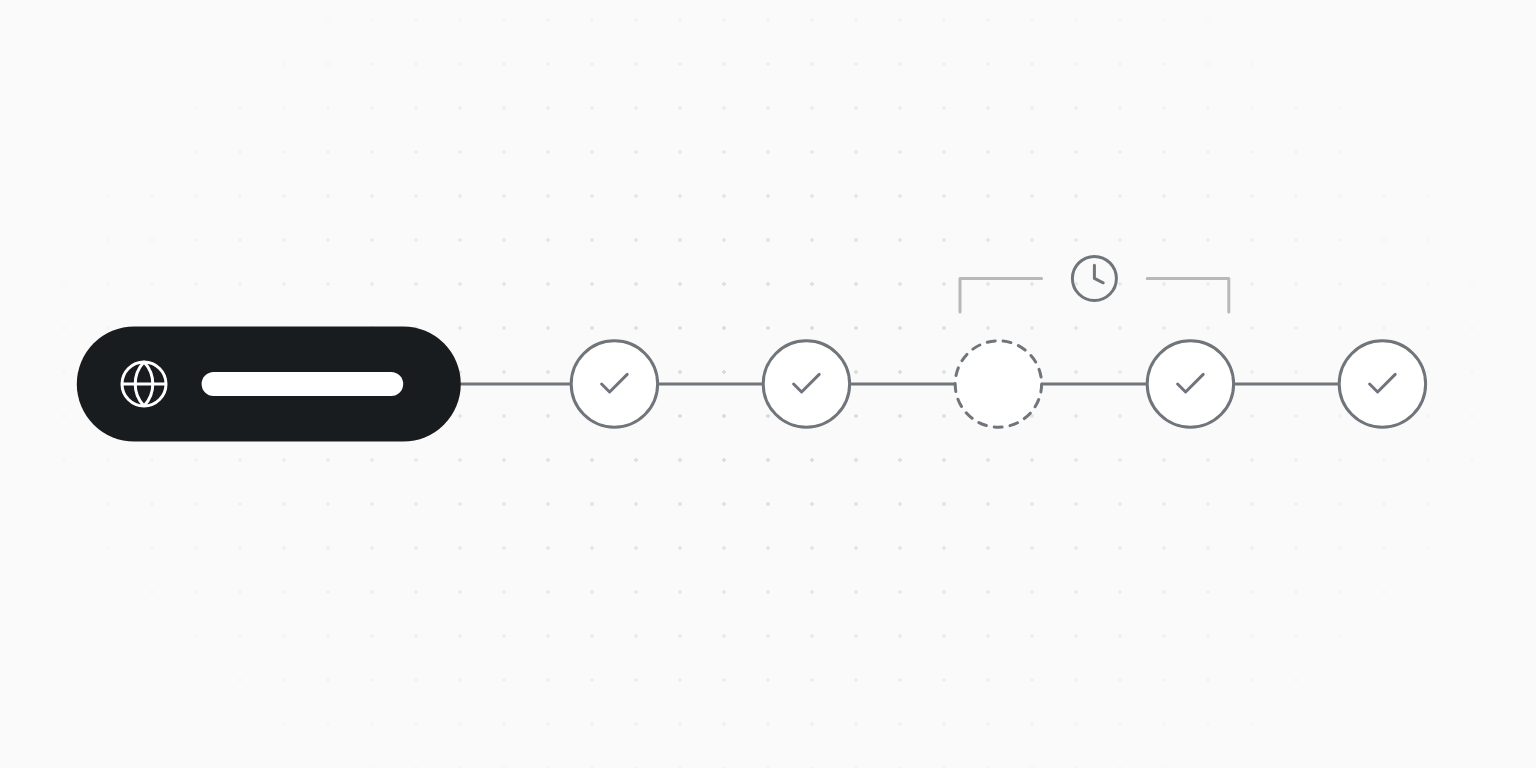
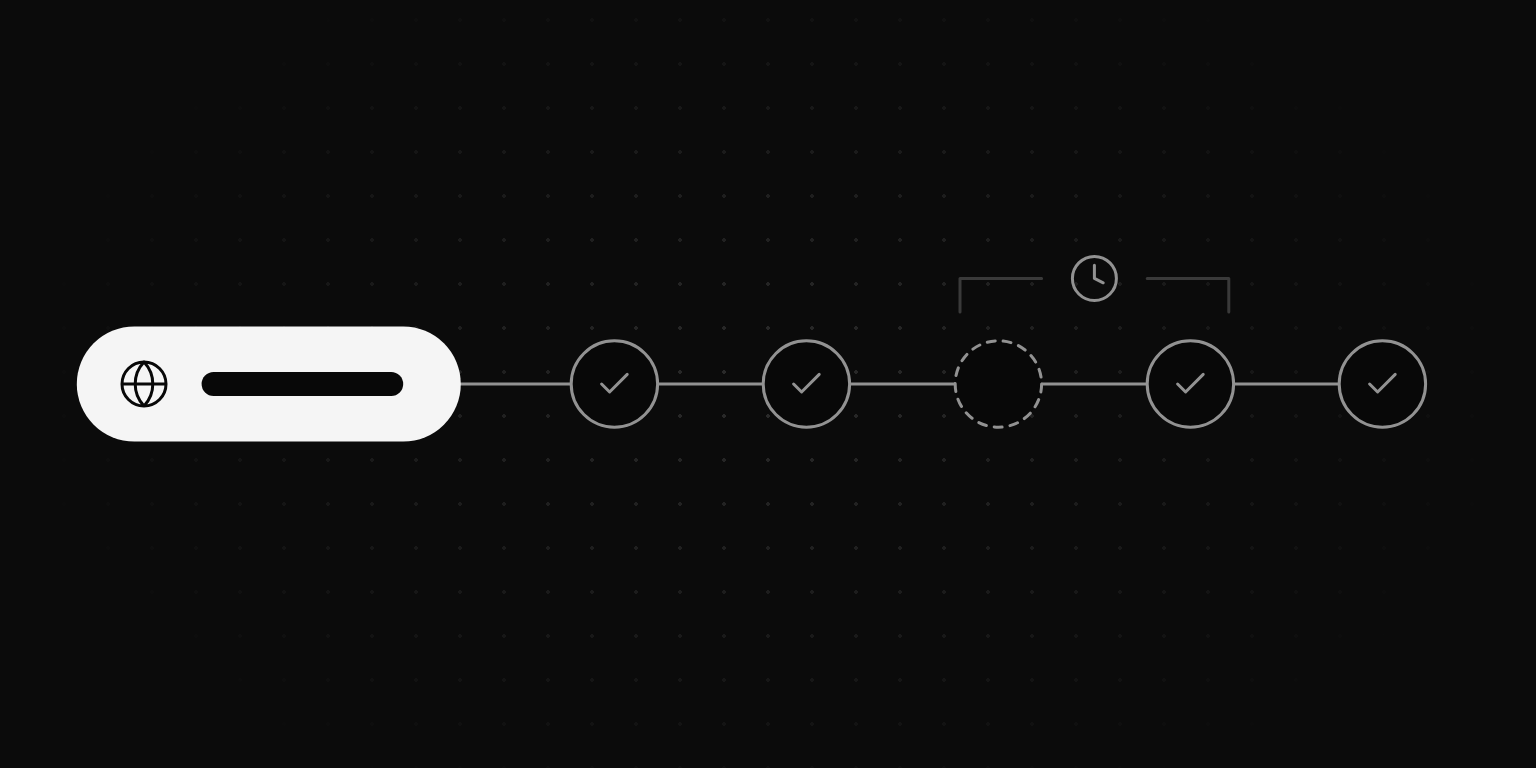
Most platforms verify a sending domain once and trust it from then on. When DNS changes later, say a migration drops a record or a registrar edit removes DKIM, mail starts failing authentication and nothing tells you. Continuous re-verification catches the change. It needs a grace period, though, or a single DNS timeout turns into a sending outage.
Unitpost ·
Most products treat domain verification as an onboarding step: add the records, click Verify, move on. That assumes DNS stays put, and it doesn't. Domains move between registrars, someone prunes records during a cleanup, and an edit meant to tidy up TXT records deletes a DKIM selector.
The failure is silent, which is the problem
When authentication records disappear, sending doesn't stop. Messages go out, fail authentication at the receiving server and land in spam. On your side everything looks fine: the API returns success and the dashboard shows the sends. Nothing reports that delivery has fallen off, and a one-time check will never notice.
Re-verifying continuously
So keep checking. A background job re-queries each verified domain's records on a schedule and compares them with what should be published. At Unitpost that job runs every 2 minutes and re-checks a healthy domain about every 6 hours, so a dropped record is caught within hours instead of whenever someone notices delivery falling.
Why a naive version is worse than none
If a failed check blocks sending at once, any DNS hiccup stops your customers' password resets. Resolvers time out, authoritative servers have short outages, and changes take time to propagate. Treat one failed lookup as proof of a misconfiguration and you get false alarms on the mail that matters most.
A verified domain that starts failing should move to a degraded state first. At Unitpost, sending continues, the owner gets an email naming the record that broke, and the domain is re-checked on every sweep. If the record comes back, the domain returns to verified by itself. If it's still failing after 24 hours, sending pauses until it's fixed.
What gates sending and what doesn't
SPF, DKIM and MX decide verified status. DMARC and the tracking CNAME are detected and shown on the domain page, but they never gate sending. DMARC is a policy choice, and blocking sends because a customer hasn't published one would be us enforcing our opinion.
Rotation without a gap
DKIM key rotation needs the same care. Replace a key in place and mail already in flight, signed with the old key, fails verification. Rotate make-before-break instead: publish the new key, confirm it resolves, switch signing to it, and retire the old record only once nothing signs with it. Unitpost's daily sweep retires an old selector only after the new one is confirmed live.