Transactional vs marketing email: what's the difference?
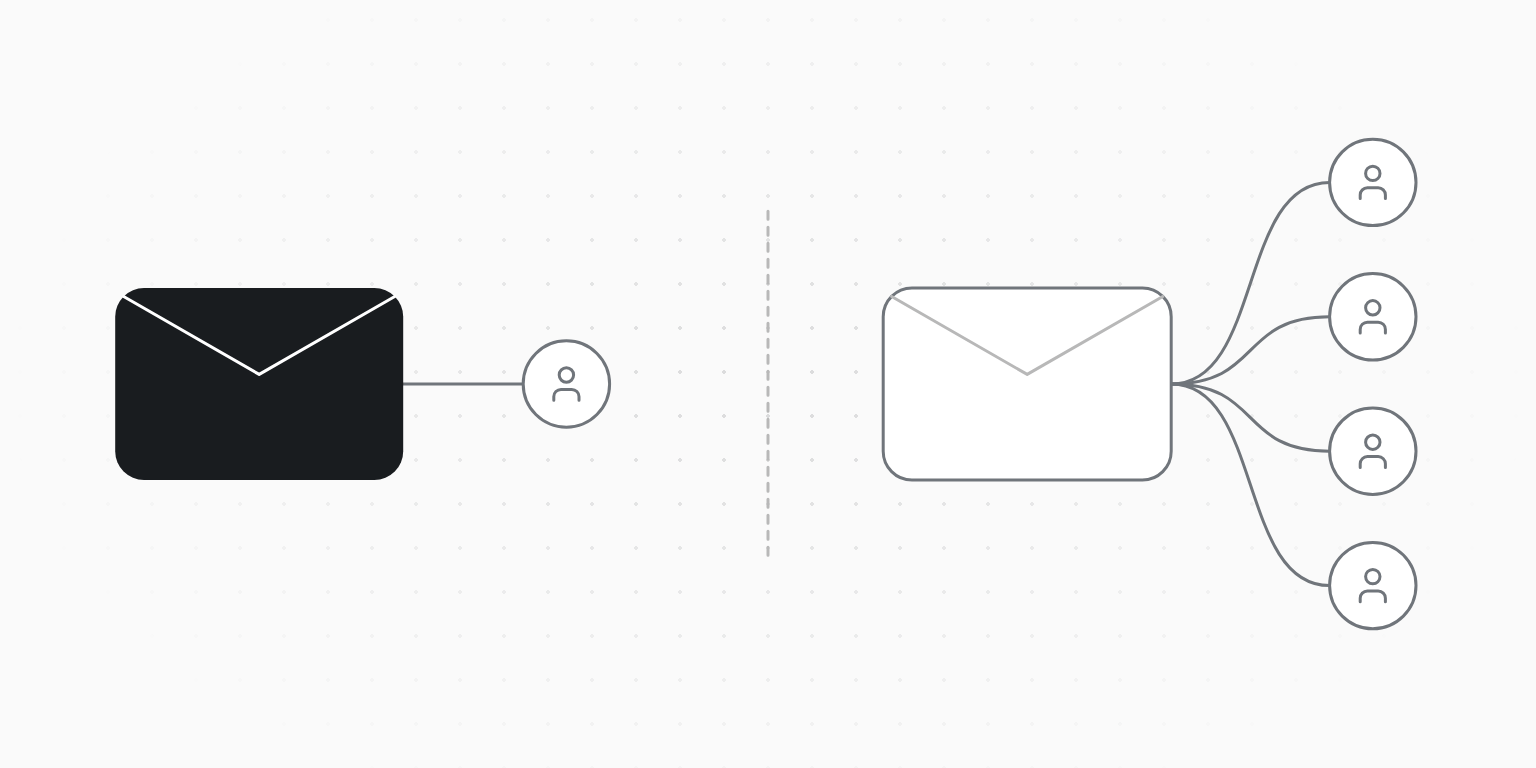
Transactional email goes to one person because of something they did: a receipt, a password reset, a shipping update. Marketing email goes to many people to promote something. The law treats them differently, since marketing needs an unsubscribe mechanism and transactional mail doesn't. They also carry different risk: marketing draws spam complaints, and those can damage the reputation your transactional mail depends on.
Unitpost ·
The definitions that matter
Transactional email is triggered by the recipient's own action and carries information they expect: order confirmations, password resets, one-time codes, security alerts, shipping notifications. Marketing email goes out on your schedule to promote something: newsletters, product announcements, offers, re-engagement campaigns.
Start with the trigger and the audience, then look at the content. A message to one user, caused by that user's action, is transactional. The same content sent to a segment because you decided to send it is marketing.
The legal difference
- Marketing email requires a working unsubscribe mechanism. Transactional email doesn't.
- Marketing generally requires consent: explicit consent under GDPR, opt-out under CAN-SPAM.
- Transactional email can go out without marketing consent, because it's part of the service.
- Promotional content in a transactional message can make the whole message marketing.
The mixed-message trap
A promotional banner in a receipt is common and legally risky. It can reclassify the receipt as marketing, which means it needed consent and an unsubscribe link it doesn't have.
The reputation difference, which matters more
Marketing mail draws spam complaints even when you do everything right, because some recipients press the spam button instead of unsubscribing. Those complaints count against the sending domain. If your password resets come from the same domain, they get slower and less reliable.
That's the argument for keeping the two apart, and it's why the usual advice is to use two providers. The separation that counts is between domains, though. Sending marketing from news.yourdomain.com and transactional mail from yourdomain.com gets you there with one provider.
One tool or two?
Two tools buy you strong isolation and specialist features on each side. They cost you two bills, two contact lists that drift apart, two sets of templates, and a suppression list that isn't shared, so someone who unsubscribes from marketing in one system can still be mailed by the other.
One tool can get most of that isolation with a single contact list, if it keeps the streams apart: unsubscribe enforced on marketing, one suppression list shared by both, separate sending subdomains, and one-to-many sends kept off the transactional path. Volume decides it. At very high marketing volume, dedicated infrastructure for each stream wins.